In-Toeing, Out-Toeing & Walking Patterns in Children
If you’re worried about the way your child walks, you’re not alone. In-toeing (“pigeon-toed”) and out-toeing (“duck-footed”) are common walking patterns in children and are often part of normal development. At Foot Foundation, we provide in-toeing and out-toeing assessment in Hamilton to help parents understand what is normal, what should be monitored, and when further treatment may be needed.
In most children, these walking patterns improve naturally with growth and do not cause pain, arthritis, or long-term joint damage. However, severe, persistent, painful, or one-sided gait changes should be assessed.
Worried about your child’s walking pattern?
Overview
In-toeing means the feet point inward during walking or running. Out-toeing means the feet point outward more than usual. These patterns are usually related to normal developmental alignment changes in the feet, shins, hips, or legs.
Many toddlers show some degree of in-toeing or out-toeing when they first start walking. In most cases:
there is no pain
the child can still run and play normally
motor development is not affected
the gait pattern improves with time
The majority of children under 8 with in-toeing improve without braces, casts, or surgery. Mild out-toeing can also be a normal variation, although it may persist longer in some children without causing problems.
If you’re unsure whether your child’s gait is within the normal range, an in-toeing and out-toeing assessment in Hamilton can provide reassurance and a clear plan.
Common Signs & Symptoms
In-Toeing
Children with in-toeing may:
point their feet inward while walking or running
trip by catching one foot on the other (especially when running)
appear “pigeon-toed”
show shoe wear on the outer edge
prefer “W-sitting” (common in children with increased femoral anteversion)
In-toeing usually does not cause pain. If pain, swelling, limp, or marked asymmetry is present, that is not typical and should be evaluated.
Common anatomical contributors to in-toeing include:
Metatarsus adductus (curved forefoot)
Internal tibial torsion (shin rotated inward)
Femoral anteversion (thigh bone rotated inward)
Out-Toeing
Children with out-toeing may:
point their feet outward while walking
appear “duck-footed”
look clumsy or waddling in some cases
have a gait that appears different but still pain-free and functional
Out-toeing is often benign, but causes can include:
External tibial torsion
External hip rotation contracture (often improves in early childhood)
Flat feet / pronation causing a toe-out appearance
Femoral retroversion (less common)
Rarely, underlying neuromuscular or hip conditions (especially if one-sided or painful)
Other Walking Pattern Concerns
Parents may also notice:
broad-based gait in toddlers (often normal early on)
mild wobbliness in younger children
frequent falls
ankles rolling in or seeming unstable
avoidance of running or fast walking
An in-toeing and out-toeing assessment in Hamilton can help determine whether these patterns are developmental, biomechanical, or linked to another issue.
What Causes It?
The most common causes of in-toeing and out-toeing are developmental alignment differences in the:
feet
shins (tibia)
thigh bones (femur)
hips
Below are the common causes and what they usually mean.
Metatarsus Adductus (Curved Foot)
A common cause of in-toeing in infants where the front of the foot curves inward. It is often related to womb positioning and is frequently flexible. Many cases improve on their own in infancy.
Femoral Anteversion
An inward twist of the thigh bone, often seen in preschool and early school-aged children. Children may walk with knees and feet turned inward and may prefer W-sitting. This often improves over time and usually does not require braces or special shoes.
External Hip Rotation Contracture
Some babies are born with outward hip positioning from in-utero posture. This usually improves as they start standing and walking.
Femoral Retroversion / Hip-Related Causes
Less common, but important to recognise. Sudden out-toeing in an older child, especially with pain, limp, or reduced activity, needs urgent medical assessment.
Internal Tibial Torsion
The most common cause of in-toeing in toddlers. The shin bone is rotated inward, often becoming obvious when a child starts walking. It usually improves naturally with growth, and most children do not need treatment.
External Tibial Torsion
A cause of out-toeing where the shin bone is rotated outward. Some cases remain mild and harmless; others may persist and need monitoring, especially if gait becomes awkward or symptoms develop.
Flat Feet / Pronation
Flat feet can make a child appear more out-toed because of heel valgus and forefoot abduction. In some children, addressing foot posture can improve the apparent toe-out position.
Neuromuscular Causes
A small number of children have gait differences due to muscle tone or neurological conditions. These cases usually have other signs such as asymmetry, delayed milestones, unusual tone, or coordination concerns.
When to Seek Help
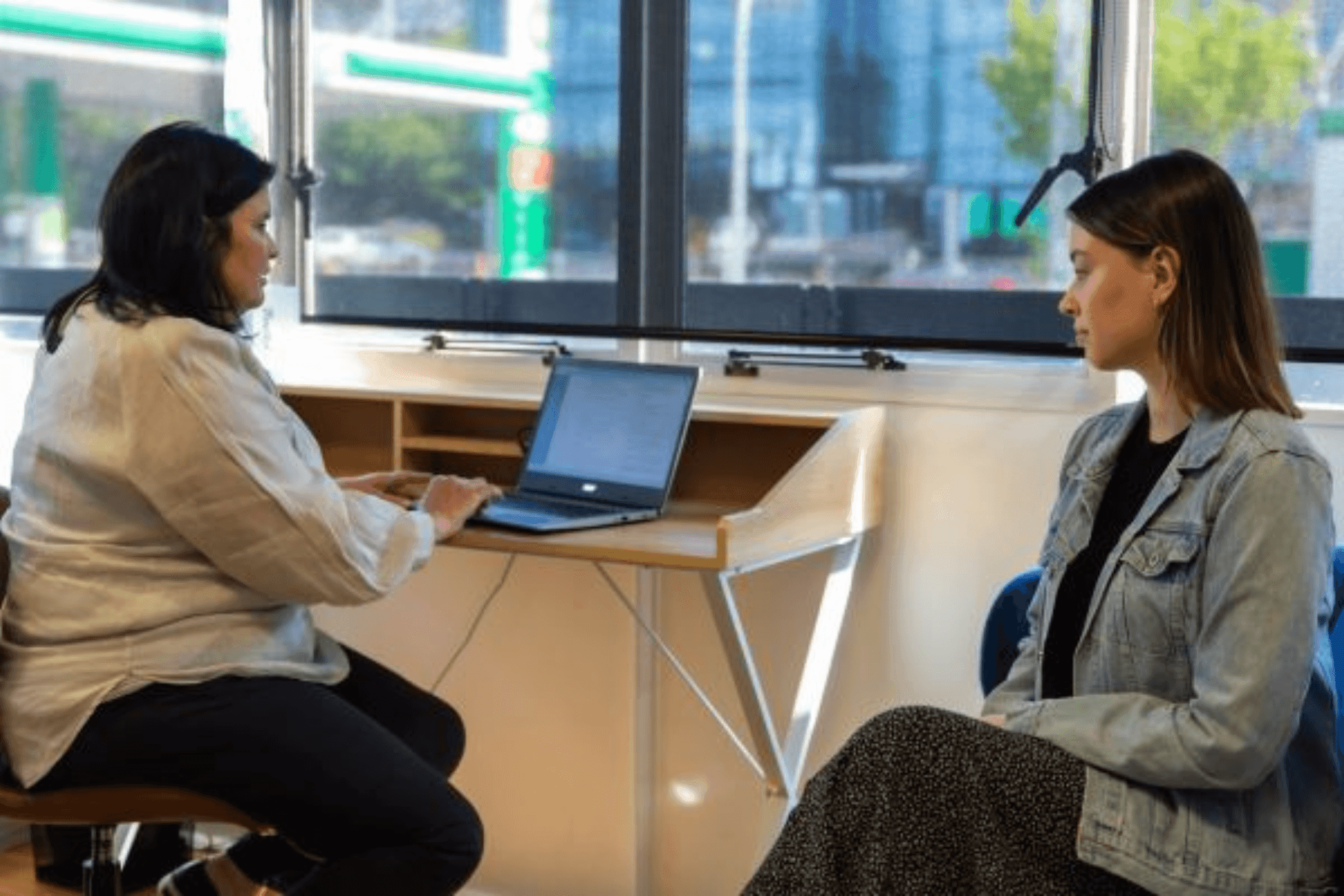
Most mild in-toeing and out-toeing does not need urgent treatment. However, a professional evaluation is recommended if:
the angle is severe or appears to be worsening
your child has frequent tripping or falls beyond what is typical for age
there is pain, fatigue, or a limp
the problem is one-sided (asymmetrical)
your child cannot comfortably place the feet closer to straight
the gait difference persists beyond the expected age range
you’re concerned and want reassurance or monitoring
If any of these apply, an in-toeing and out-toeing assessment in Hamilton can help identify whether your child needs observation, support, or referral.
How Foot Foundation Can Help
At Foot Foundation, we provide in-toeing and out-toeing assessment in Hamilton with a focus on accurate diagnosis, evidence-based guidance, and avoiding unnecessary intervention.
Our first priority is to distinguish:
normal developmental gait variation
biomechanical contributors (e.g. flat feet / pronation)
torsional alignment differences
less common orthopaedic or neurological concerns
We take a detailed history, including:
when the gait pattern was first noticed
whether it is improving
any pain, fatigue, or functional limitation
birth history / positioning
family history of similar gait patterns


Our Assessment Approach
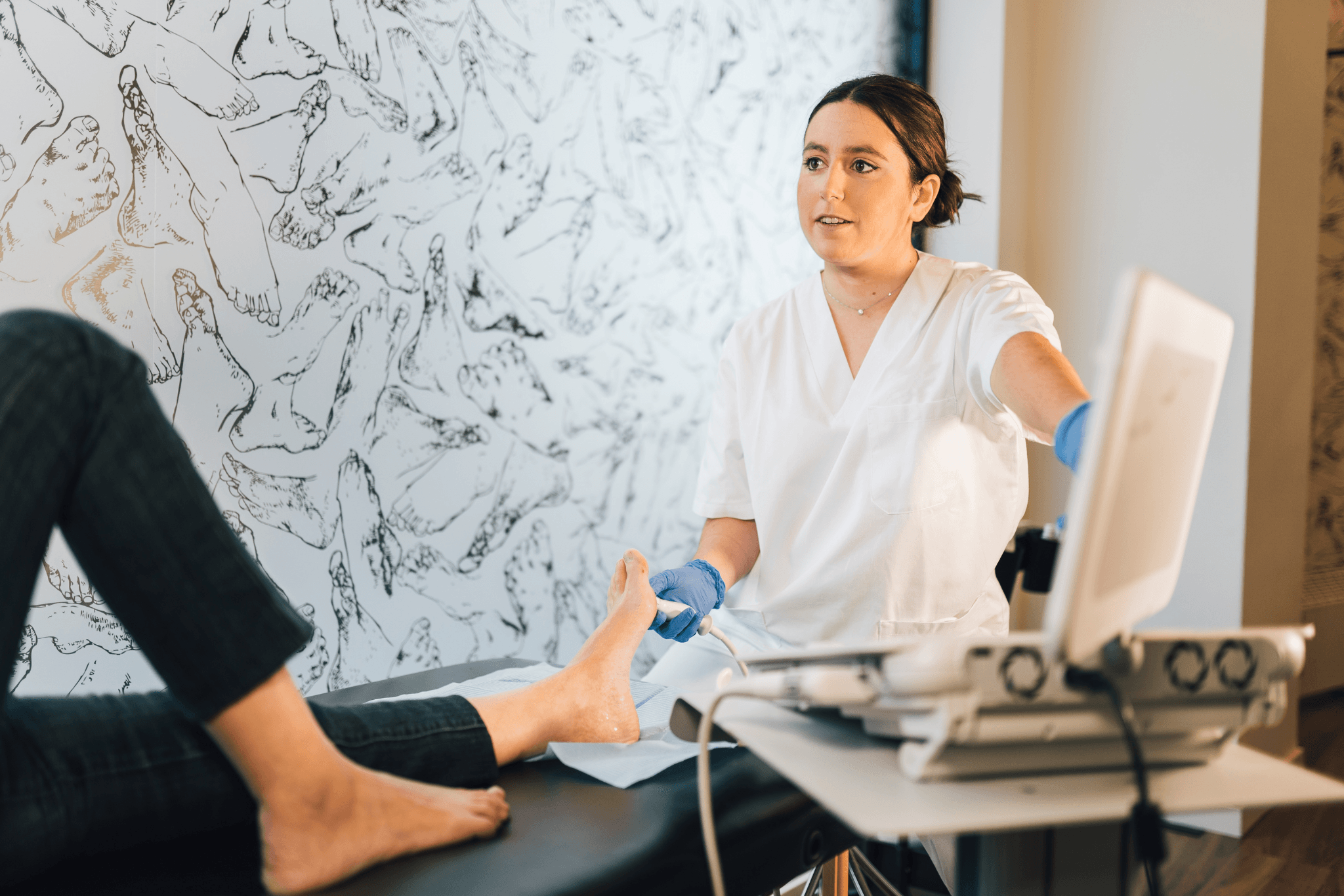
Physical Examination
Your child’s exam is child-friendly and tailored to age. It may include:
Foot shape assessment (e.g. metatarsus adductus)
Flexibility checks (can the foot be straightened?)
Torsional profile assessment
Thigh-foot angle (to assess tibial torsion)
Hip rotation range (to assess femoral anteversion/retroversion)
Observation of walking and running (if age-appropriate)
Foot progression angle (how the feet point relative to the walking line)
Screening for compensations in knees, arches, and posture
Neurological screening (tone, strength, coordination, reflexes) when indicated
We may also check whether flat feet or pronation are exaggerating the way the feet appear during walking.
This thorough process ensures your in-toeing and out-toeing assessment in Hamilton is based on measurable findings and age-appropriate norms.
We’ll explain what we find in simple terms and tell you if it’s likely to improve naturally.
Treatment Options
For most children, the main treatment is observation and follow-up, because spontaneous improvement is common.
What We Commonly Recommend
Reassurance and monitoring
Encouraging normal active play
Practical footwear advice for comfort and stability
Avoiding myths and unnecessary “corrective” shoes
Follow-up reviews to track change over time
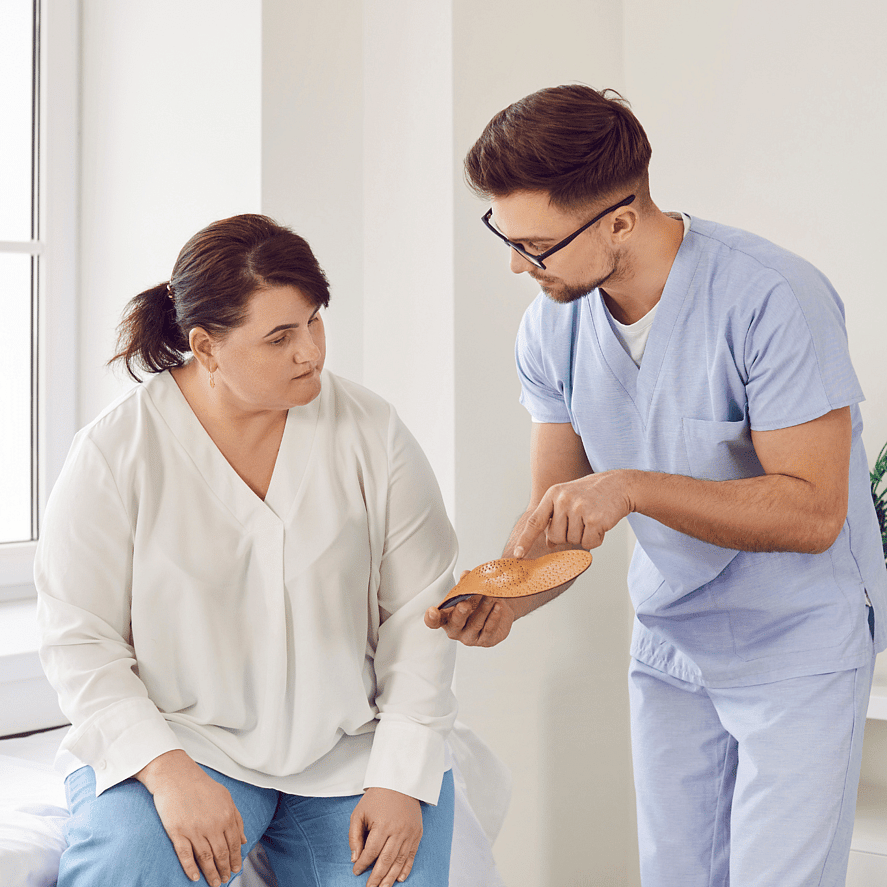
Orthotics / Gait Plates
Orthotics do not correct tibial torsion or femoral rotation. However, in selected cases, they may help if:
the foot itself is contributing (e.g. metatarsus adductus)
flat feet/pronation are worsening out-toeing appearance
the child would benefit from additional foot stability
We may consider:
supportive insoles
custom orthotics (in selected cases)
gait plate style orthotics (only when appropriate)
Sitting / Positioning Advice
If a child strongly prefers W-sitting (common with femoral anteversion), we may encourage more neutral sitting positions (e.g. cross-legged or legs forward) to reduce prolonged stress on internally rotated hips. This is supportive guidance, not a guaranteed “correction.”
Exercises and Strengthening
Exercises generally do not change bone alignment, but they may improve:
balance
coordination
hip and leg control
confidence in movement
If treatment is needed, our in-toeing and out-toeing assessment in Hamilton helps us choose the least invasive option that supports function and confidence.
We only recommend treatment when it’s actually needed.
Parent Support & Follow-Up
A major part of care is helping parents understand what to expect over time.
At Foot Foundation, we provide:
realistic timelines for improvement
guidance on what changes are normal
red flags to watch for
support if your child is tripping more often
follow-up reviews (commonly every 6–12 months when monitoring is appropriate)
We also help parents avoid making children self-conscious about their walking style. In most cases, children benefit from being active, confident, and supported while their bodies continue to develop.
This parent-centred guidance is a key part of in-toeing and out-toeing assessment in Hamilton, especially when reassurance is the main treatment.

When Referral May Be Needed
Referral to an orthopaedic specialist may be considered if:
the gait pattern is severe and persistent beyond the expected age range
there is significant functional limitation
pain, limp, or asymmetry suggests another condition
a structural issue is suspected
symptoms raise concern for hip pathology or a neurological cause
Surgery is rare for typical in-toeing and out-toeing and is considered only in selected severe cases after careful assessment.
If you are concerned about severity or progression, an in-toeing and out-toeing assessment in Hamilton is the best first step before assuming your child needs braces or surgery.
FAQs
Yes, in many toddlers it is a normal developmental pattern and often improves with growth.
No. Mild out-toeing can be a normal variation and may not cause pain or functional issues.
For most causes (like tibial torsion or femoral anteversion), braces and special shoes do not speed natural correction.
By itself, it usually does not. Pain, limp, swelling, or reduced activity is a reason to get assessed.
If the gait is severe, one-sided, worsening, painful, causing frequent falls, or you are unsure whether it is improving.
Book an Assessment in Hamilton
Most children with in-toeing or out-toeing improve well over time, and many only need reassurance and monitoring. But when the gait pattern is severe, persistent, painful, or affecting confidence and function, early assessment can provide clarity.
Book an in-toeing and out-toeing assessment in Hamilton with Foot Foundation for an evidence-based assessment, honest guidance, and treatment only when it is genuinely needed.