Manual Therapy for Kids
Manual Therapy for Kids
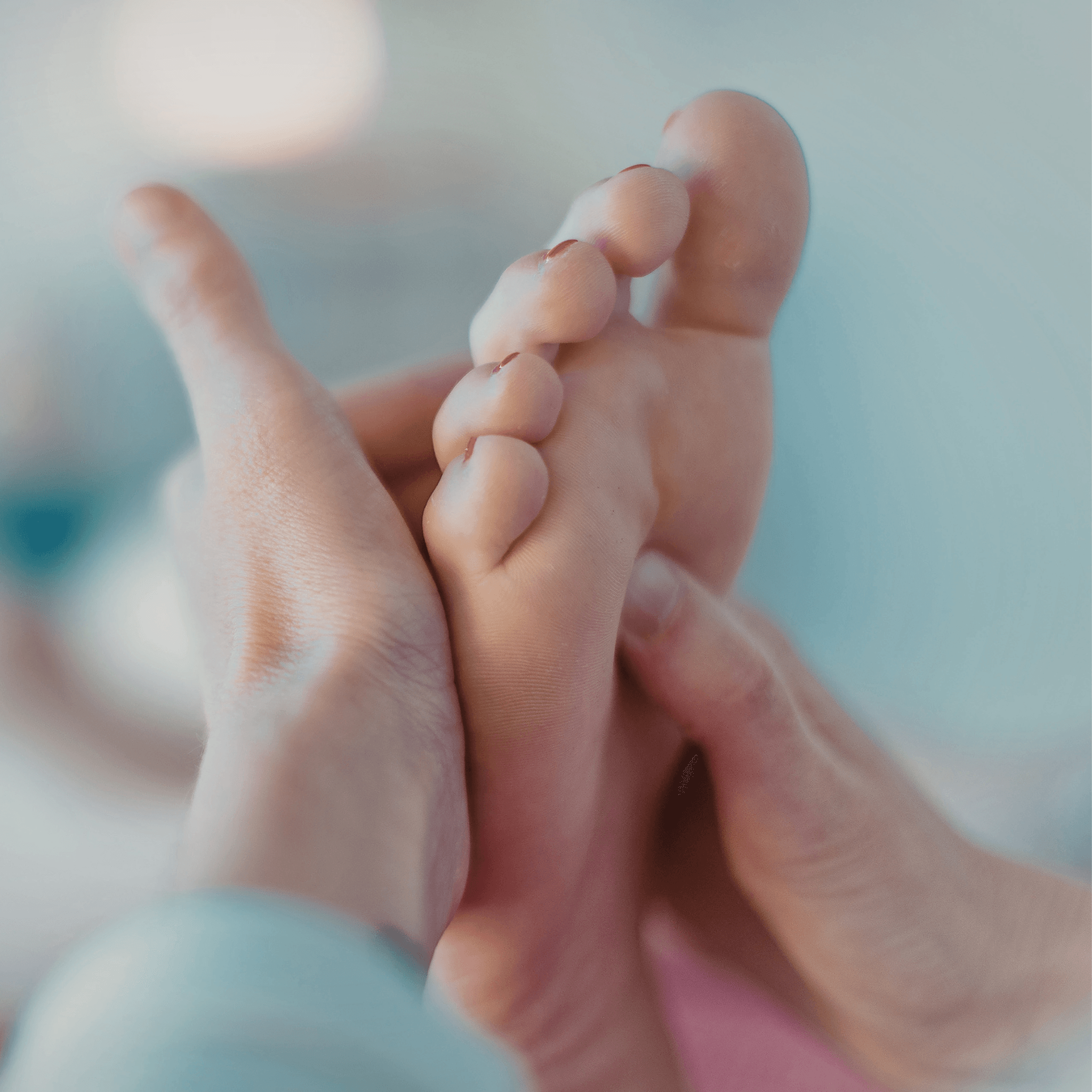
Manual therapy is hands-on treatment used to improve joint mobility, reduce soft tissue tightness, and support better movement patterns in children. In paediatric care, techniques are gentle and age-appropriate focused on comfort, safety, and function.
If your child has stiffness, tight calves, or movement restrictions affecting walking or sport, manual therapy Hamilton can be a helpful part of their plan.
Not sure if hands-on treatment is appropriate for your child?
Prefer local care? Book a paediatric podiatrist in Hamilton.
What Manual Therapy Looks Like in Children
Manual therapy for kids may include:
Joint mobilisation: gentle movements to restore range (e.g., ankle dorsiflexion)
Soft tissue release: massage and myofascial techniques for tight muscles (calf/Achilles/arch)
Guided stretching: assisted stretches within a comfortable range
Movement integration: using the new range immediately with simple walking drills or exercises
The goal isn’t “aggressive adjustment.” It’s calm, controlled treatment that supports normal development and complements exercises, footwear, orthotics, or rehab.
This is why manual therapy Hamilton is often paired with home stretches or strengtheningso gains hold between visits.
When We Use Manual Therapy
Stiff joints / limited range
Common examples:
ankle stiffness affecting heel-to-toe walking
restricted dorsiflexion after immobilisation (boot/cast)
midfoot stiffness after injury
Developmental foot positioning (selected cases)
Some early-life conditions may involve gentle stretching techniques and parent-taught home routines (when appropriate), alongside referral pathways when specialist care is needed.
A tailored manual therapy Hamilton session focuses only on what the child needs no unnecessary techniques, no fluff.
Tight muscles and soft tissue restriction
Often seen in:
toe walking with tight calves/Achilles
Sever’s disease (tight calf contributing to heel stress)
adolescent arch strain or early plantar fascia irritation
sport-related tightness (calf/hamstring contributing to mechanics)
Benefits Parents Usually Notice
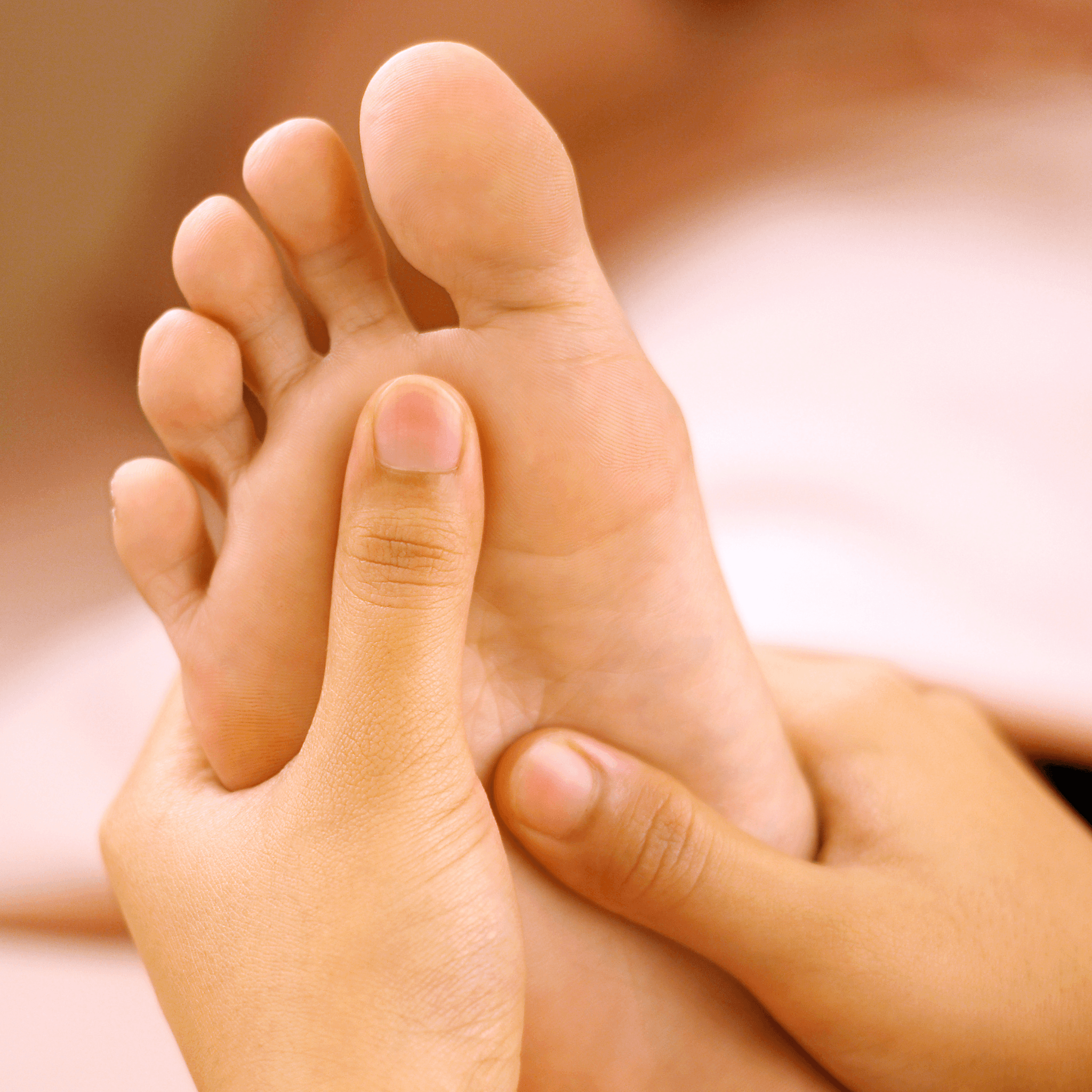
Manual therapy can help with:
improved mobility (easier squatting, stairs, running mechanics)
reduced tightness (calf/Achilles feels less “locked”)
less pain in overuse patterns when tension is a contributor
better tolerance to rehab (exercises feel easier after mobility improves)
better response to orthotics or bracing when the foot/ankle can move into the supported position
Used correctly, manual therapy Hamilton is a practical tool especially when tightness or stiffness is blocking progress.
Want to improve mobility without relying only on devices?
Our Assessment First (Before Hands-On Work)
Before any hands-on treatment, we check:
where the restriction is coming from (muscle vs joint vs protective guarding)
your child’s comfort and touch tolerance
gait patterns and compensations
whether manual therapy is appropriate right now (especially post-injury/surgery timelines)
This ensures manual therapy Hamilton is applied safely and only when it matches the clinical picture.
What Happens in a Session
A typical visit may include:
Child-friendly explanation (“We’re going to help your ankle move more easily.”)
Gentle mobilisation or soft tissue work within comfort
Re-checking movement (range, walking pattern, pain response)
Simple home plan (1–3 stretches or drills to maintain gains)
Progression plan (when to repeat, when to shift to strengthening)
A good manual therapy Hamilton plan should feel clear and manageable—no overwhelming homework.

How We Combine Manual Therapy With Other Treatments
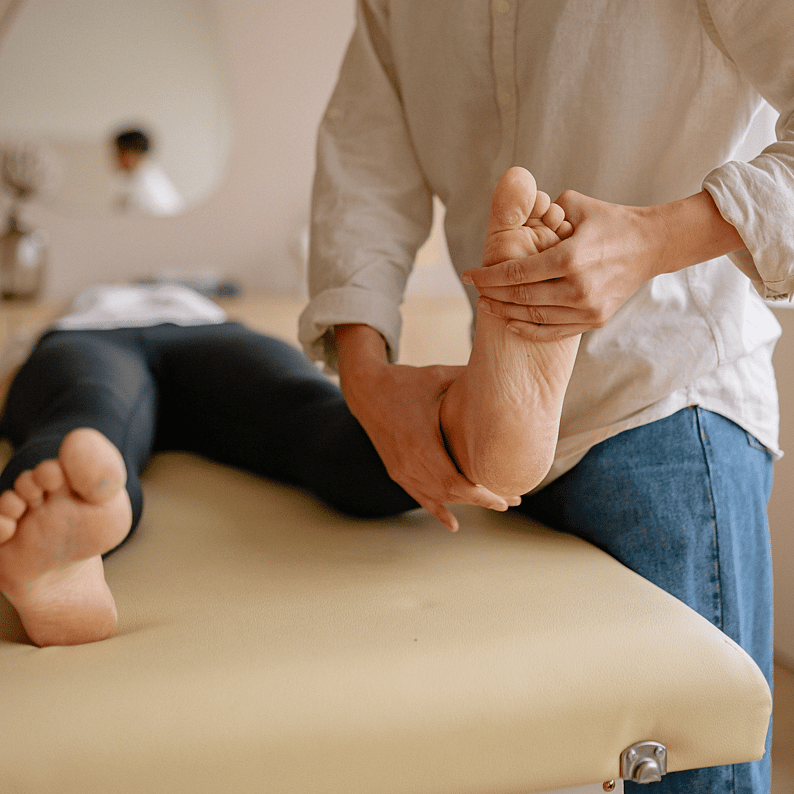
Manual therapy works best when integrated. We commonly pair it with:
stretching and strengthening programs
footwear advice
orthotics (when needed)
rehab progressions after injury/immobilisation
bracing/strapping during return-to-sport phases (selected cases)
This is how manual therapy Hamilton supports longer-term improvement instead of being “just a temporary loosen-up.”
Safety and Comfort
Treatment is kept gentle and age-appropriate
Your child stays in control pain is not the goal
We adjust pressure and techniques based on response
Mild soreness can occur (like after a massage), but sharp pain is a stop signal
We avoid techniques that don’t suit paediatric tissues or the current healing stage
A safe manual therapy Hamilton approach should leave your child moving more comfortably not fearful of treatment.
Not sure if manual therapy is safe for your child’s condition?
You can also book a paediatric podiatrist in Hamilton.
FAQs
Is manual therapy painful?
It should not be. Children’s manual therapy is gentle and adapted to comfort.
How many sessions are needed?
It depends on the issue. Some children benefit quickly, others need a short series while strengthening catches up.
Will this replace exercises?
Usually no manual therapy often helps exercises work better by reducing stiffness or tightness.
If you’re unsure whether it’s the right fit, manual therapy Hamilton assessment can clarify the best next step.

Book in Hamilton
Manual therapy can be a helpful, non-invasive way to improve mobility, reduce tightness, and support better walking and activity in children especially when stiffness is blocking progress.
Book manual therapy Hamilton with Foot Foundation for gentle, child-friendly care and a plan that supports long-term movement confidence.
Need local support? Book a paediatric podiatrist in Hamilton.