Heel Pain & Growing Pains
Heel pain in children is common, especially in active kids during growth spurts. A frequent cause is Sever’s disease (calcaneal apophysitis) irritation of the heel growth plate from repetitive impact and Achilles pull. Growing pains are different: they’re usually intermittent night-time leg aches that resolve by morning.
If your child is limping after sport or avoiding heel strike, children’s heel pain treatment in Hamilton can help confirm the cause and settle symptoms early.
Need clarity on heel pain or night-time leg aches?
Overview
This page covers two common issues:
Heel Pain (often Sever’s disease)
Sever’s disease is not an infection. It’s an overuse irritation in a growing heel, most common around ages 8–14, especially with running and jumping sports.
Growing Pains (benign night-time leg aches)
Growing pains usually refer to aches in the legs (calves, shins, thighs, or behind the knees) that occur in the evening or at night and are gone by morning. They are typically not joint-related.
For families who want a clear answer, children’s heel pain treatment in Hamilton starts with identifying whether the pattern is typical or whether we need to rule out other causes.
Common Signs & Symptoms
Sever’s Disease (Heel Pain in Kids)
Common signs include:
Heel pain during/after activity; improves with rest
Limping or tip-toe running to reduce heel impact
Often both heels affected, one may be worse
Tenderness when squeezing the sides of the heel
Sometimes mild swelling/warmth, but often looks normal
Red flags: marked swelling, redness, fever, inability to bear weight, or severe pain at rest needs prompt assessment.
If your child’s pattern fits Sever’s, children’s heel pain treatment in Hamilton focuses on reducing load, calming symptoms, and guiding return to sport.
Growing Pains
Typical growing pains often present as:
Achy pain in both legs (can alternate nights)
Late afternoon/evening/night-time episodes
No morning pain; child is fine during the day
No swelling, redness, joint tenderness, or limp
Often relieved by massage/heat/comfort
What Causes It?
Heel Pain (Sever’s Disease)
Sever’s is repetitive stress at the heel growth plate (calcaneal apophysis). During growth spurts, the growth plate is more vulnerable. Tight calves/Achilles and high-impact activity can increase traction and impact stress.
Common contributors:
Growth spurts
Running/jumping sports
Tight Achilles/calf
Less supportive footwear
Foot posture (flat feet or high arches) affecting load
Higher body weight increasing impact forces
This is why children’s heel pain treatment in Hamilton should include both symptom relief and the contributing factors (tightness, footwear, biomechanics).
Growing Pains
Growing pains are not proven to be caused by bone growth itself. The cause isn’t fully understood and may be multifactorial (activity-related muscle fatigue, biomechanics, pain sensitivity, family history). The pattern is the key.
When to Seek Help
Heel Pain seek evaluation if your child:
Has recurring heel pain with sport or limps after play
Walks on toes or avoids heel strike
Has pain that interferes with school walking or daily activity
Doesn’t improve with basic rest/ice/supportive shoes
Is unusually young for Sever’s, or symptoms don’t fit the typical pattern
Growing Pains seek evaluation if:
Pain is consistently one-sided
Pain occurs in the morning/daytime
Pain causes limping or reduced daytime activity
There’s swelling, fever, rash, joint pain, or unusual fatigue
If any of these apply, book children’s heel pain treatment in Hamilton so you’re not guessing.
Not sure if it’s Sever’s or something else?
How Foot Foundation Can Help
We take an evidence-based, conservative approach focused on accurate diagnosis, settling pain, and getting kids back to activity safely.
Our children’s heel pain treatment in Hamilton may include:
confirming Sever’s vs other causes
assessing Achilles tightness and foot posture
load management guidance (reduce painful impact)
heel cups/cushioning and footwear advice
stretching plan and return-to-sport progression
Our Approach (Assessment, Treatment Options, Parent Support)
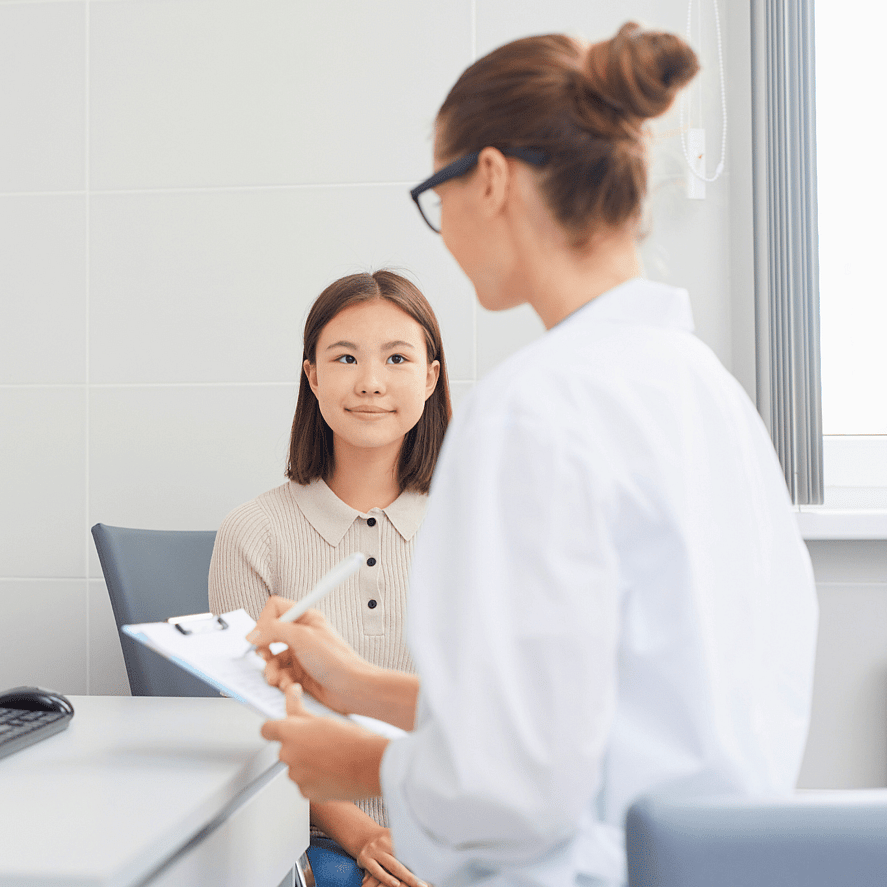
Assessment
We assess:
pain pattern (activity-related vs constant)
heel tenderness and clinical tests (including heel squeeze)
Achilles/calf flexibility
gait, foot posture, footwear
red flags (fracture/infection/other pathology)
Imaging may be considered if symptoms are atypical, severe, one-sided, or not improving.
This ensures children’s heel pain treatment in Hamilton is based on the correct diagnosis.
Want a clear diagnosis and home plan?
Treatment Options
For most children, the main treatment is observation and follow-up, because spontaneous improvement is common.
Sever’s Disease
Most children improve with conservative care:
Relative rest / activity modification (not always total stop)
Ice after activity
Heel cups / heel cushions to reduce impact and strain
Supportive footwear with cushioning
Calf/Achilles stretching daily
Pain relief guidance when appropriate
Orthotic support when biomechanics contribute
Short-term boot only for severe cases that won’t settle
The goal is comfort now and fewer flare-ups during growth spurts. Children’s heel pain treatment in Hamilton works best when we combine heel support + stretching + load management early.
Want your child back to sport without limping?
Treatment Options: Growing Pains
If the pattern fits typical growing pains and the child is otherwise well, management is usually supportive:
Massage
Warm bath/heat pack
Light stretching before bed
Comfort routine and reassurance
Tracking patterns (often after very active days)
If pains are frequent or severe, we can assess contributing factors (biomechanics/foot posture) and coordinate with your GP/paediatric team if further checks are appropriate.
FAQs
Is Sever’s disease serious?
It can be painful, but it’s usually temporary and improves with conservative care and time.
How long does Sever’s heel pain last?
It varies. Many children improve over weeks with the right load management, footwear/heel support, and stretching. Flare-ups can recur during growth spurts.
Should my child stop sport completely?
Not always. Often we recommend reducing painful activities temporarily and cross-training, then returning gradually once symptoms settle.
Are growing pains real?
Yes, they’re common and can be very distressing at night, but the typical pattern is benign.
When are “growing pains” NOT growing pains?
If pain is one-sided, occurs in the morning/daytime, causes limping, or comes with swelling/fever/rash, it needs assessment.
If you’re unsure, children’s heel pain treatment in Hamilton begins with identifying whether the pattern is typical or needs further investigation.
Book an Assessment in Hamilton
Most children’s heel pain and typical growing pains can be managed conservatively once we’re confident the pattern fits and red flags are ruled out.
Book children’s heel pain treatment in Hamilton for a clear assessment, practical guidance, and a return-to-activity plan that matches your child’s sport and growth stage.
Need local support? Book a paediatric podiatrist in Hamilton.