Gait & Biomechanical Assessments
Gait & Biomechanical Assessments
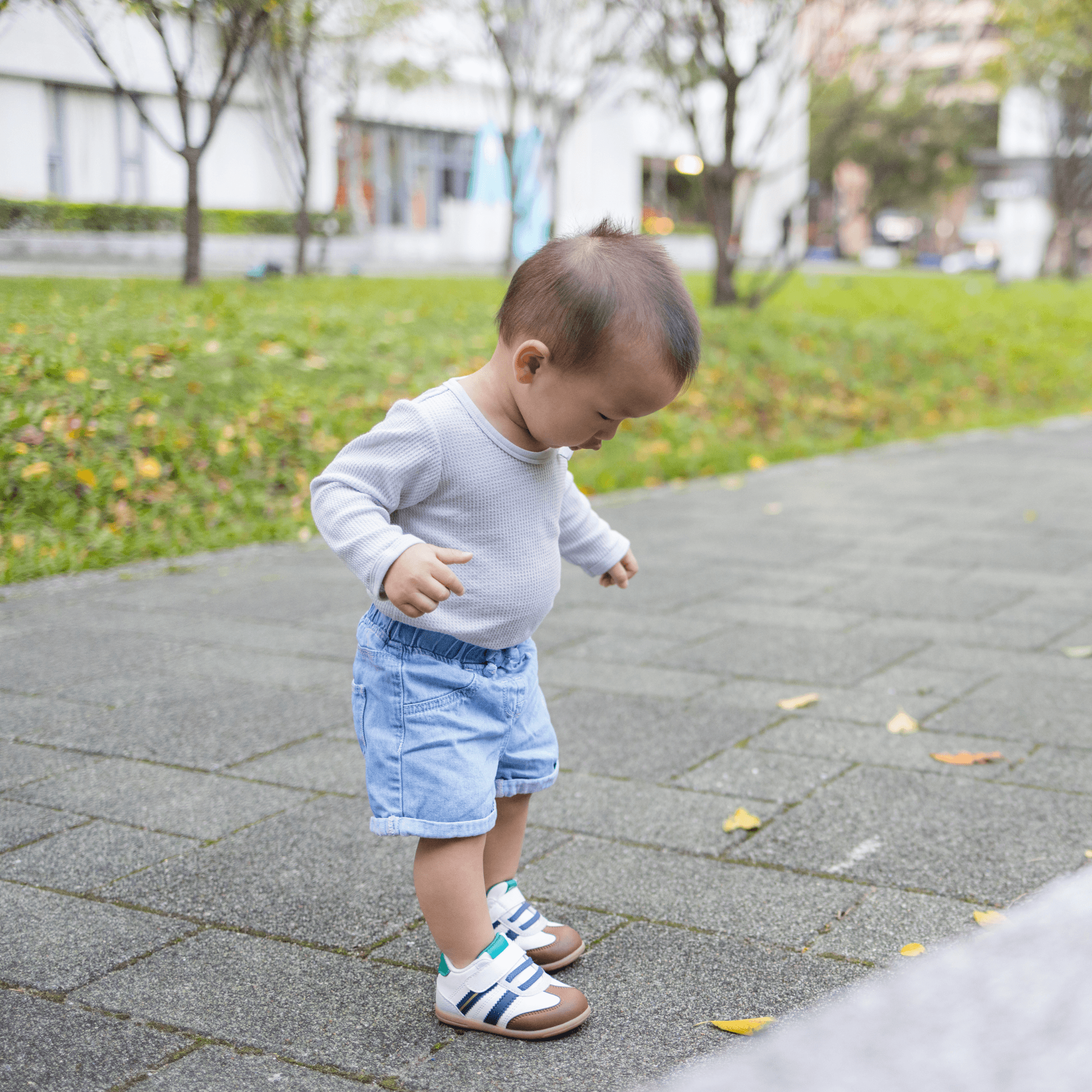
A gait and biomechanical assessment looks at how your child stands, walks, and runs, and how foot posture, joint mobility, strength, and coordination influence movement. It helps separate normal developmental phases from patterns that need monitoring or support.
If you’re unsure whether your child’s walking is “just a stage,” a gait assessment Hamilton visit can provide clarity and a plan.
Worried about walking, running, or frequent tripping?
Prefer local care? Book a paediatric podiatrist in Hamilton.
What We’re Actually Assessing
A proper assessment isn’t just “watching them walk.” We look at:
foot posture (arch behaviour, heel position, pronation/supination)
ankle and hip range of motion (especially dorsiflexion)
leg alignment (knees, tibial angles, functional symmetry)
balance, coordination, and stability
footwear interaction and wear patterns
pain response (what triggers it and when)
A gait assessment Hamilton appointment is designed to identify why a child moves the way they do, not just label the pattern.
Common Reasons Parents Book
We commonly assess children for:
in-toeing or out-toeing
persistent toe walking
limping or pain during activity
frequent tripping or “clumsy” movement
unstable ankles / rolling in
sports overuse patterns (recurrent heel/shin/arch complaints)
children with developmental or neurological considerations (when relevant)
If your child’s movement is affecting confidence, comfort, or participation, a gait assessment Hamilton can be the right first step before trying random fixes.
What You Get From the Assessment
Parents typically want two things:
Reassurance when the pattern is within normal developmental range
A clear, targeted plan when intervention is actually needed
A strong assessment gives:
a clearer diagnosis (or working diagnosis)
measurable findings (range, angles, symmetry)
the least-invasive next step (if any)
red flags to watch for
review timing (often 6–12 months if monitoring)
That’s why gait assessment Hamilton is valuable even when the answer is “this is normal” because you leave with clarity.
Want a clear plan (not guesswork)?
What Happens During the Visit
A typical session includes:
History
We ask when it started, whether it’s improving, pain triggers, birth history if relevant, family history, and activity levels.
Physical exam
We assess flexibility, joint range, strength, posture, and foot structure.
Gait observation
Walking and, where appropriate, running often with video support to capture angles and consistency.
Optional tools (when useful)
Video analysis or pressure/foot function tools where they add clarity.
A gait assessment Hamilton visit should feel structured, child-friendly, and evidence-based not rushed.

What We Recommend (And What We Avoid)
Ruthless truth: many kids don’t need “correction,” they need time + monitoring.
We commonly recommend:
reassurance and monitoring
practical footwear guidance
stretching/strengthening if tightness or weakness is contributing
orthotics only when symptoms or function justify it
referral only when findings suggest it’s needed
We avoid:
“corrective shoes” myths
unnecessary devices for painless normal variants
treatment just to “do something”
A gait assessment Hamilton is about doing the right amount no more, no less.
Need help deciding whether orthotics or exercises are actually necessary?
You can also book a paediatric podiatrist in Hamilton for a full assessment and plan.
Follow-Up and Progress Tracking
If we’re monitoring, we’ll give:
what improvement should look like
realistic timeframes
what changes are normal during growth spurts
when to return sooner (pain, limp, worsening, one-sided changes)
A follow-up gait assessment Hamilton review is often used to confirm progress and keep treatment minimal.
When Imaging or Specialist Referral Is Considered
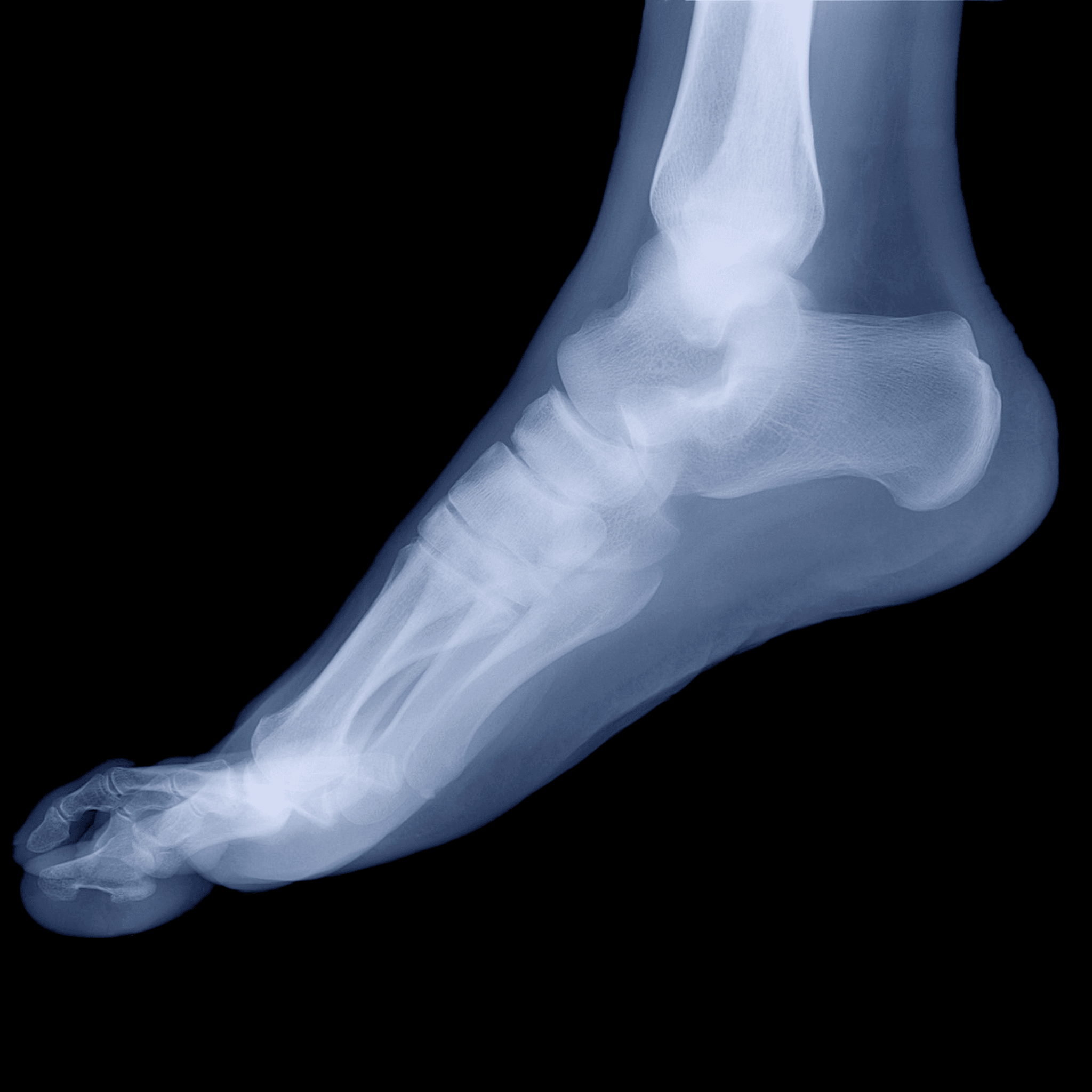
We may recommend imaging or referral if:
there’s persistent pain not matching a common pattern
there’s rigidity, severe limitation, or worsening deformity
gait changes are one-sided or progressive
neurological signs are suspected
injury/fracture is likely
A gait assessment Hamilton helps decide whether referral is necessary or whether reassurance is the correct answer.
Unsure if your child needs imaging or specialist input?
You can also book a paediatric podiatrist in Hamilton for a full evaluation first.
FAQs
Is toe walking always a problem?
No, age, flexibility, and overall development matter.
Will in-toeing or out-toeing “cause arthritis”?
In most typical developmental cases, no. We assess for exceptions.
Do you always prescribe orthotics?
No, only when symptoms/function justify them.
If you’re unsure, gait assessment Hamilton is the safest way to get evidence-based guidance.
Book in Hamilton
A child’s gait can change quickly with growth. The right assessment helps you avoid unnecessary treatments while still catching issues early when support actually matters.
Book a gait assessment Hamilton with Foot Foundation for clear answers, child-friendly evaluation, and treatment only when it’s genuinely needed.
Need local support? Book a paediatric podiatrist in Hamilton.