Children’s Bunions & High Arches
Children and teens can develop bunions (juvenile hallux valgus) and high arches (pes cavus). Bunions in young people are often genetic and may progress during growth spurts. High arches can be a normal family trait, but very high or progressive arches can sometimes be linked with underlying neurological conditions so assessment matters.
If your child has pain at the big toe joint or struggles with shoes, kids bunions Hamilton assessment can help relieve discomfort and reduce aggravation early.
Big toe joint pain, rubbing in shoes, or unstable ankles?
Prefer local care? Book a paediatric podiatrist in Hamilton.
Overview
Children’s Bunions (Juvenile Hallux Valgus)
A bunion is a deformity where the first metatarsal drifts inward and the big toe angles toward the second toe, creating a bump on the inside of the foot. Juvenile bunions often appear in early adolescence (more commonly in girls) and usually have a strong genetic component. Tight footwear can aggravate symptoms, but genetics and foot mechanics are often the main drivers.
High Arches (Pes Cavus)
High arches are the opposite of flat feet. Some children naturally have higher arches with no problems. But very high, rigid, asymmetric, or progressively worsening arches can sometimes indicate neuromuscular causes. Cavus feet can concentrate pressure on the heel and forefoot and increase ankle sprain risk.
A combined assessment is useful because bunions and high arches can both affect pressure, stability, and footwear comfort kids bunions Hamilton visits also allow us to check whether high arches are benign or need further investigation.
Common Signs & Symptoms
Juvenile Bunions
Bump at the base of the big toe
Big toe drifting toward the second toe
Redness, rubbing, callus from shoe pressure
Pain or soreness after walking/sport or tight shoes
Difficulty fitting shoes; need wider toe box
Often occurs in both feet (one may be worse)
Frequently associated with flat/pronated feet
If shoe pressure is causing pain, kids bunions Hamilton care focuses on relieving load and improving comfort without rushing into invasive treatment.
High Arches (Pes Cavus)
visibly high instep and hollow midfoot
footprint shows forefoot and heel with little midfoot contact
pressure pain under ball of foot/heel; calluses
frequent ankle sprains or instability (often cavovarus)
shoe wear on the outside edge
fatigue because the foot absorbs shock poorly
possible claw toes or toe curling
Red flags (important):
one foot significantly more arched than the other
arch height increasing over time
weakness, frequent tripping, or foot slap/foot drop
strong family history of neuropathy
What Causes It?
Causes of Juvenile Bunions
Common contributors include:
genetics / inherited foot structure
ligament laxity and first ray hypermobility
flat/pronated feet increasing medial forefoot load
tight footwear aggravating symptoms
growth spurts accelerating progression in some children
rarely, underlying conditions causing laxity or muscle imbalance
Causes of High Arches
High arches can be:
familial/idiopathic (often stable, non-progressive)
neuromuscular (muscle imbalance leading to cavus/cavovarus pattern)
occasionally related to treated clubfoot or other structural patterns
Because cause matters, kids bunions Hamilton assessment is also a good opportunity to screen for high-arch red flags and refer when appropriate.

When to Seek Help
Bunions seek assessment if:
the bump is noticeable and causing discomfort
shoes are rubbing or the child needs wider shoes
pain affects sport or walking
bunion appears to worsen quickly during growth spurts
strong family history of severe bunions
High arches seek assessment if:
your child has foot pain, calluses, or forefoot pressure pain
there are frequent ankle sprains/instability
the arch seems to be increasing or becoming rigid
there is asymmetry or any weakness/tripping/foot slap
you want reassurance that it’s benign and not progressive
If the condition is affecting comfort or function, kids bunions Hamilton assessment helps set a baseline and start conservative management early.
Shoes rubbing, pain in sport, or repeated ankle sprains?
You can also book a paediatric podiatrist in Hamilton.
How Foot Foundation Can Help
We focus on conservative management first relieve pain, improve mechanics, reduce pressure, and monitor through growth.
Our kids bunions Hamilton care may include:
footwear strategy (wide toe box, reduce pressure points)
orthotic support when pronation/hypermobility contributes
padding/shields for shoe rubbing
exercises to support foot function and joint mobility
monitoring bunion progression through growth
screening high-arch red flags and coordinating referrals if needed

Our Approach (Assessment, Treatment Options, Parent Support)
Assessment
We assess:
toe alignment and bunion flexibility
pain points and shoe pressure patterns
foot posture (pronation, first ray mobility)
gait and push-off mechanics
arch height and flexibility (flexible vs rigid cavus patterns)
ankle stability (sprain risk)
red flags for neuromuscular causes when high arches are severe/asymmetric/progressive
This ensures kids bunions Hamilton management is accurate and avoids premature “surgery talk” when conservative care is appropriate.
Want a clear plan that improves comfort in shoes and sport?
You can also book a paediatric podiatrist in Hamilton for a full bunion + high arch review.
Treatment Options
For most children, the main treatment is observation and follow-up, because spontaneous improvement is common.
High Arches
Conservative options may include:
cushioned orthotics to redistribute pressure and improve alignment
footwear advice (shock absorption, stability, adequate depth)
ankle bracing for recurrent sprains when needed
stretching for tight calf/Achilles where relevant
strengthening and balance training (often with physio)
monitoring progression and coordinating referral if red flags exist
Juvenile Bunions
Conservative options may include:
footwear changes (wide toe box, avoid narrow/pointed shoes)
bunion padding/shields to reduce friction
orthotics if flat feet/pronation contributes to progression or pain
toe spacers or night splints (selected cases; comfort-dependent)
exercises to maintain mobility and support foot muscles
monitoring progression through growth spurts
Surgery note (safe): surgery is usually delayed until near skeletal maturity unless severe and function-limiting.
With consistent care, kids bunions Hamilton treatment aims to reduce pain and slow aggravation during growth years.
Want to reduce bunion pain and shoe rubbing?
FAQs
Do kids’ bunions come from “bad shoes”?
Shoes can aggravate symptoms, but genetics and mechanics are often the main drivers in children.
Can bunions worsen during growth spurts?
Yes, some bunions progress during adolescence, which is why monitoring matters.
Are high arches always neurological?
No. Many are familial and stable. The key is checking for progression, asymmetry, weakness, and frequent sprains.
Can orthotics help?
Orthotics can improve alignment and reduce pressure useful for bunions with pronation and for cavus feet with pressure pain and instability.
If you’re unsure what’s driving symptoms, kids bunions Hamilton assessment provides clarity and conservative options first.
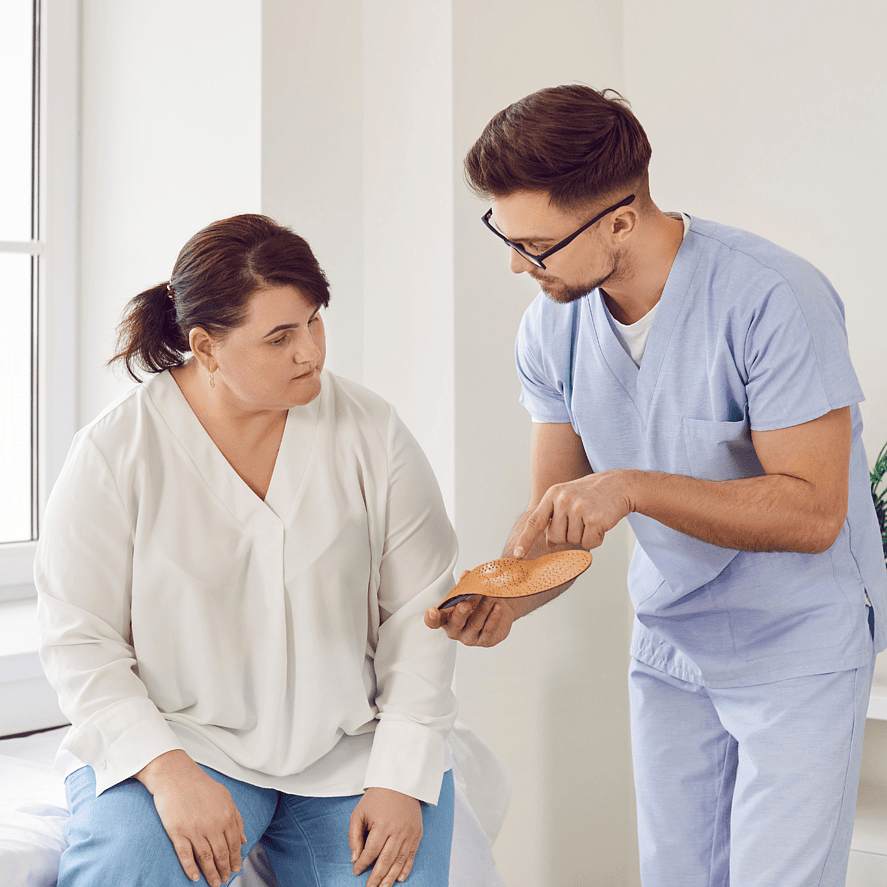
Book an Assessment in Hamilton
Bunions and high arches can affect comfort, footwear fit, and sports participation especially through growth spurts. Early conservative care can reduce pain, improve stability, and help prevent repeated flare-ups.
Book kids bunions Hamilton assessment with Foot Foundation for an evidence-based plan focused on comfort, function, and safe monitoring.
Need local support? Book a paediatric podiatrist in Hamilton.