AFOs, Splints & Toe Separators
AFOs, Splints & Toe Separators
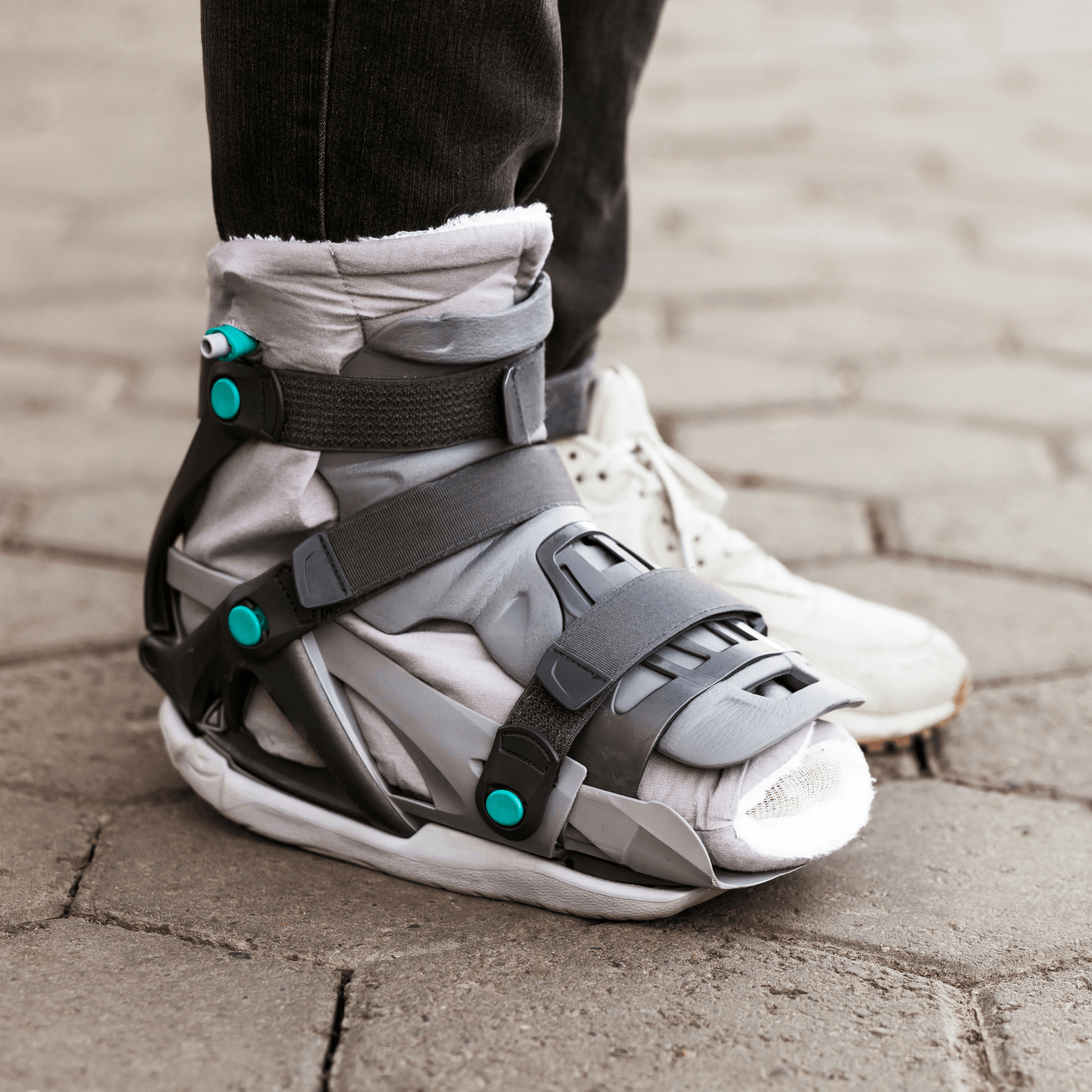
AFOs, splints, and toe separators are supportive devices used to improve foot and ankle alignment, stability, and comfort in children. Some are worn inside shoes (like AFOs and SMOs), some are used for stretching or protection (splints), and some help with toe spacing and rubbing (toe separators).
If your child needs more support than an in-shoe insert can provide, AFO brace Hamilton services can help guide the safest, most appropriate option.
Not sure what device your child actually needs?
Prefer local care? Book a paediatric podiatrist in Hamilton.
What Each Device Does
AFO (Ankle–Foot Orthosis)
A more supportive brace that controls foot/ankle position to improve stability, safety, and walking efficiency.
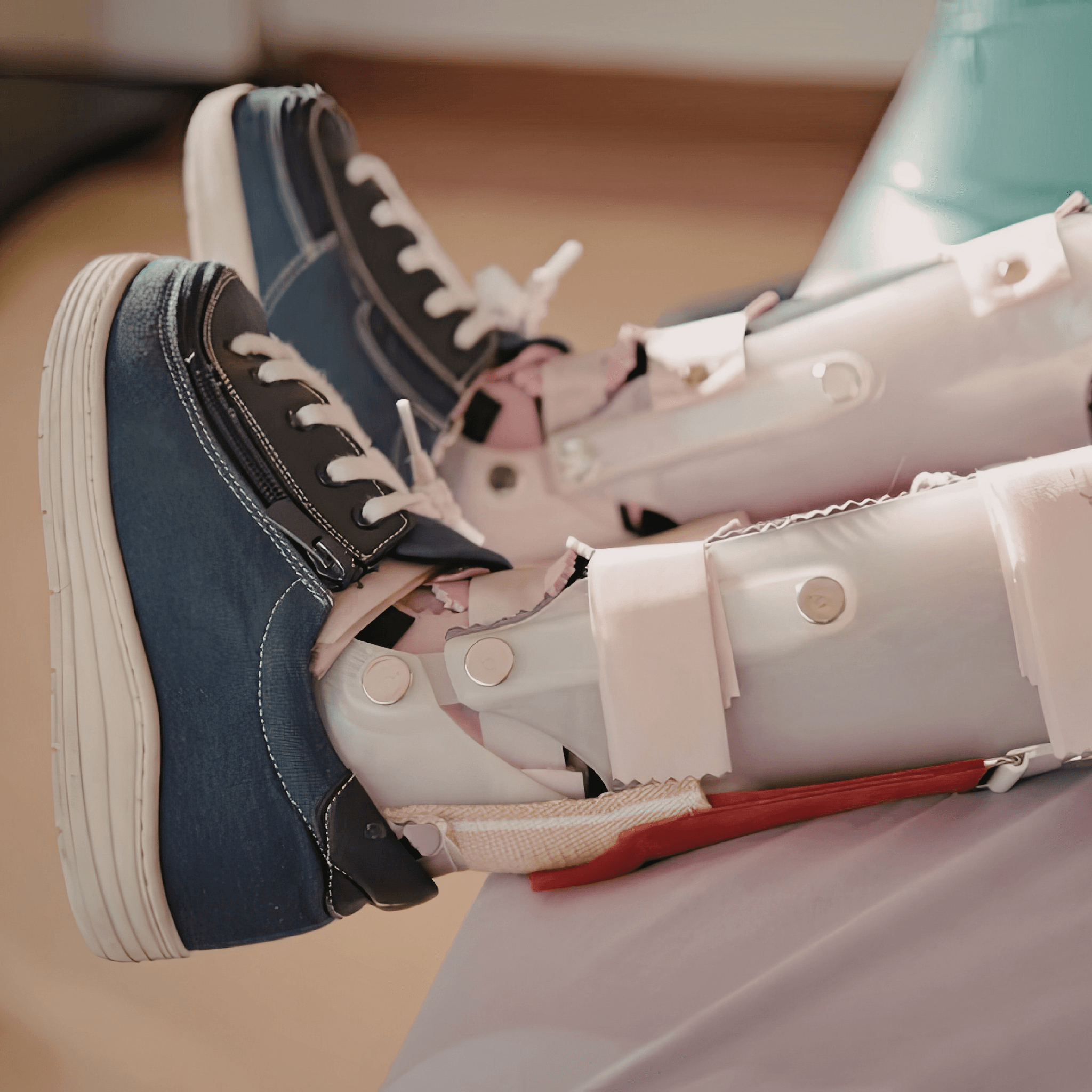
SMO / Shorter Braces
Used when the main issue is foot position and ankle stability (especially in very flexible, pronated feet) while allowing more ankle movement than a full AFO.
Splints
Often used for stretching (e.g., night splints for Achilles) or short-term protection during healing.
Toe Separators / Toe Splints
Small devices used to reduce toe rubbing and help guide mild toe positioning issues (e.g., overlapping/curly toes).
Choosing the right AFO brace Hamilton option is about matching the device to the child’s actual function not defaulting to the biggest brace.
When These Devices Are Used
Neuromuscular needs
NeuromCommon reasons include muscle weakness, spasticity, foot drop, or unstable gait patterns that need reliable external support.uscular needs
Severe flatfoot / significant instability
When orthotics alone don’t control collapse or the child fatigues quickly, an SMO or AFO may be considered.
Persistent toe walking (selected cases
For children not responding to stretching/therapy and at risk of developing fixed tightness, a brace or night splint may be used as part of a broader plan.
Post-casting / post-surgical support
Used to maintain correction or protect healing during rehab phases (in coordination with the wider care team).
Toe alignment and rubbing issues
Toe separators can help reduce irritation and guide spacing for mild toe positioning problems.
A proper AFO brace Hamilton assessment helps decide whether the goal is stability, stretching, protection, or toe comfort because these are different problems.
Benefits (What Families Typically Notice)
More stable walking (less rolling in/out, fewer trips)
Better endurance (less fatigue during school and play)
Improved safety during growth spurts or high-demand phases
Reduced pain when instability or collapse is driving strain
Less rubbing between toes with separators when toes overlap
More confidence for children who feel unsure on their feet
When fitted well, AFO brace Hamilton support should improve function not create new discomfort.
Want to improve stability without guessing which brace to buy?
How Foot Foundation Decides What’s Appropriate
Before prescribing any device, we assess:
gait pattern (with and without shoes)
foot posture and flexibility
range of motion (is there a tightness/contracture?)
strength and control (including ankle stability)
functional goals (school day, sport, confidence, safety)
This is how AFO brace Hamilton recommendations stay evidence-based and avoid over-bracing.

Casting/Scanning and Fabrication
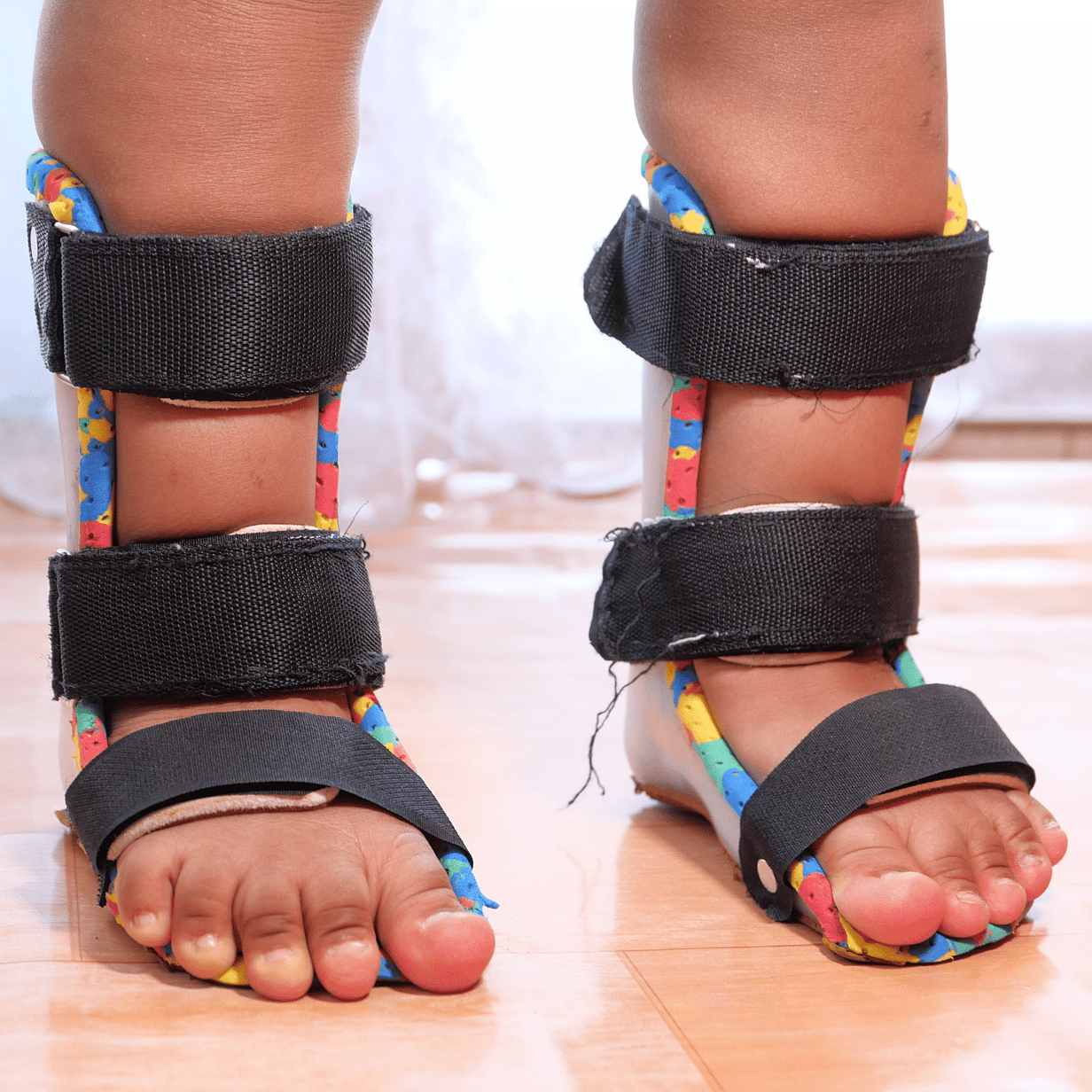
If a custom device is needed, we capture accurate shape and alignment through scanning or casting, then work with orthotic fabrication partners to create the device to the prescription (height, rigidity, hinges, straps, padding, control points).
A good AFO brace Hamilton outcome depends heavily on correct alignment during this step so the device supports the position we want, not the position we’re trying to correct.
Need a device that’s properly fitted and explained (not just handed over)?
You can also book a paediatric podiatrist in Hamilton for a full gait + bracing plan.
Fitting Appointment and Shoe Compatibility
At fitting, we:
check pressure points and strap comfort
confirm heel position and alignment
observe walking in the device
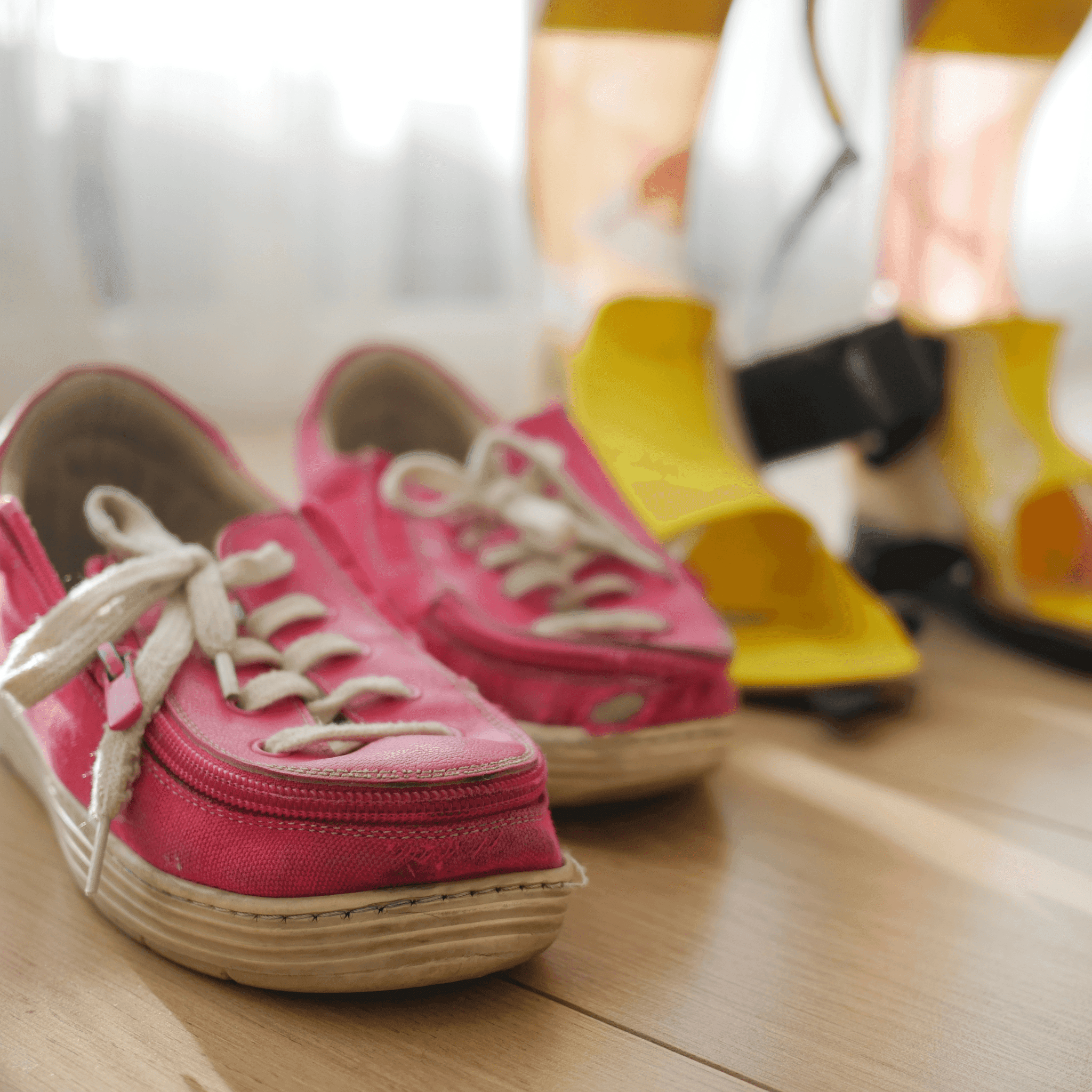
check shoe fit (often needs a supportive, slightly roomier shoe)
teach correct donning/doffing (sock first, then brace, then shoe)
A well-fitted AFO brace Hamilton device should feel supportive and secure, not painful or pinchy.
Break-In Plan, Skin Checks, and Follow-Up
We provide a gradual break-in schedule and teach what to look for:
mild redness is common, but should fade within 20–30 minutes
persistent red marks, blisters, or rubbing need adjustment
follow-ups are important as children grow and movement patterns change
Proper follow-up is part of AFO brace Hamilton care because kids change quickly and devices must stay safe and effective.
Not sure if your child’s brace fit is still correct?
Toe Separators
(Simple, Useful, and Often Overlooked)
Toe separators can help when toes rub, overlap, or crowd especially if the child is getting red areas, blisters, or nail edge irritation. We’ll guide:
the right size and material
when to wear them (often during supervised quiet time)
when not to (if footwear is too tight)
cleaning and replacement
If your child needs more than a separator or the issue is structural AFO brace Hamilton assessment helps ensure you’re using the right tool for the right problem.
Book in Hamilton
AFOs, splints, and toe separators can make a meaningful difference in stability, comfort, and function when they are correctly selected, fitted, and reviewed as your child grows.
Book AFO brace Hamilton support with Foot Foundation for evidence-based recommendations, child-friendly fitting, and ongoing follow-up.
Need local support? Book a paediatric podiatrist in Hamilton.